
Efficient hot water is a must-have for Michigan households, especially when subzero winters make comfort and savings matter. Tankless water heaters have become an increasingly popular choice here because they offer energy efficiency, reliable hot water on demand, and help maximize limited space. But successfully choosing the best tankless heater in Michigan takes more than a quick online search—you need local know-how, careful assessment of your home and water conditions, and guidance from a company known for honest, tailored solutions. This guide answers the most crucial homeowner questions about selecting a tankless water heater in Michigan, drawing on over 40 years of local experience to bring you practical answers you can trust.
Why Michigan Homeowners Are Switching to Tankless Water Heaters
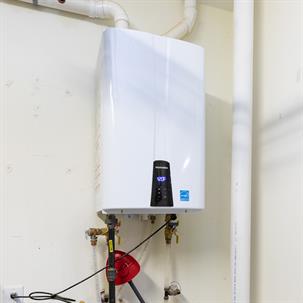
More Michigan homeowners are considering tankless water heaters because of their proven benefits in energy savings, convenience, and durability. Unlike traditional water heaters with large tanks, tankless units provide hot water on demand, heating water only when you need it. This can lower utility bills significantly because you are not continually paying to keep 40 or 50 gallons of water hot all day. According to the U.S. Department of Energy, tankless water heaters can save households using less than 41 gallons of hot water daily between 24% and 34% on energy costs, especially relevant for many Michigan families.
Space savings is another major advantage. Tankless systems mount neatly on a wall and can often fit in utility rooms, closets, or even crawlspaces. This flexibility is especially valuable for Michigan’s older homes and cottages, which may have limited mechanical space. Tankless water heaters also provide a continuous flow of hot water, which suits households with busy morning routines, multiple bathrooms, or families who often host guests.
Energy efficiency in colder climates is an important factor. Tankless systems avoid what is called “standby loss”—the energy wasted when a storage tank heater keeps reheating water in chilly basements or garages. As Michigan winters can be long and harsh, this efficiency leads to lower bills in the coldest months. Local homeowners who have made the switch often notice they don’t have to worry about running out of hot water during peak use, improving everyday comfort and convenience.
How Does Michigan’s Cold Climate Impact Tankless Heater Performance?
Michigan’s long, cold winters put extra pressure on every part of a home’s plumbing system. Tankless water heaters are no exception. In January and February, groundwater temperatures can dip as low as 40°F, which makes your heater work much harder to produce the hot water you expect for showers, washing machines, and sinks. The colder the incoming water, the more energy and time it takes to reach your desired temperature.
This means the “temperature rise” a tankless water heater must achieve is higher in Michigan than in many other states. For example, getting from 40°F to a comfortable 120°F requires an 80-degree temperature increase. Not all tankless models are equipped to handle this demand efficiently, especially during times of peak usage. It’s critical to select a unit with enough power (measured in BTUs or kilowatts) to match these conditions, or you risk inconsistent water temperature or inadequate flow for your family’s needs in the winter.
Freeze protection is another must-have feature in Michigan. Cold snaps can cause pipes or the heater unit to freeze, especially if it’s installed in an exterior wall, garage, or unheated basement. Many tankless models now include built-in electric freeze protection or automatic draining systems, but these should always be confirmed during selection and installation. Attention to placement, insulation, and proper installation goes a long way toward keeping your system running reliably when temperatures drop.
How to Size a Tankless Water Heater for Your Michigan Home
Getting the right size tankless water heater is essential for uninterrupted comfort in your Michigan home. Unlike tank systems, which hold a set volume, tankless units must keep up with real-time demand—the more showers, appliances, and sinks running at once, the higher the “flow rate” required. To get it right, you’ll need to calculate both the number of fixtures you might use simultaneously and the flow rate, measured in gallons per minute (GPM), each consumes.
Michigan’s cold groundwater temperature means your tankless heater should deliver a larger “temperature rise” at a given GPM than it would elsewhere. For example, if you hope to run two showers (2.5 GPM each) and a dishwasher (1.5 GPM) at once, that’s a demand of at least 6.5 GPM at an 80°F temperature rise. Undersized systems often lead to lukewarm water or frustrating waits for hot water to recover after heavy use.
Our team at Beauchamp Water Treatment Solutions begins with an individualized water usage and layout assessment, accounting for unique family routines and home layouts found throughout Michigan. We know that a two-bath cottage in Traverse City and a four-bath family home in Lansing have different requirements. This tailored approach ensures your system isn’t just powerful enough for Michigan winters—it’s right-sized for your specific life at home.
Is Well Water a Problem for Tankless Water Heaters in Michigan?
Many Michigan homes rely on private wells, which often come with additional challenges when installing a tankless water heater. Well water frequently contains more minerals, iron, or sediment than municipal supplies. These impurities can cause scaling and clogging in the heater’s heat exchanger, shortening the system’s lifespan and reducing energy efficiency. If your home has hard water or visible sediment, expect more frequent maintenance than homes served by city water.
Filtration and water treatment become essential steps for tankless units on wells. Adding sediment pre-filters, water softeners, or iron filters before water enters the heater helps prevent damaging buildup and keeps your system running efficiently. With hard water, a high-quality softener will minimize scale, saving you money on repairs and reducing the chance of mid-winter failures. Neglecting these steps risks lowered output and expensive service calls.
We routinely assess well water chemistry, hardness, and pressure for our Michigan clients before recommending any tankless system. This allows us to select models proven to perform well under local conditions and design a maintenance plan to minimize downtime and protect your investment long-term. If you have concerns about your well water, our team will guide you through your specific treatment options.
Electric vs. Gas Tankless Water Heaters: What’s Best for Michigan Homes?
One of the most common questions we field is whether an electric or gas tankless water heater makes more sense for Michigan homeowners. Both systems offer advantages, but key differences affect performance, cost, and installation. Gas tankless heaters—running on natural gas or propane—are typically better for homes with higher hot water needs, as they offer faster recovery, higher output, and better cold-climate performance. Proper venting is required, which can increase installation costs but ensures safe operation even during the toughest Michigan winters.
Electric tankless heaters are attractive for homes without gas service, smaller cottages, or remodels where space is at a premium. They usually install more easily and can be located almost anywhere, but they require sufficient electrical service, sometimes needing panel upgrades. In the coldest parts of Michigan, electric units may struggle to deliver enough hot water for large families at once. Reviewing your home’s gas and electrical infrastructure, expected usage, and climate zone is key before deciding which option to pursue.
Michigan homeowners should also research local utility rebates and electricity or natural gas rates, which can influence the overall cost and ROI of each system. Gas heaters may qualify for more significant energy rebates due to their greater efficiency potential in cold climates. During our assessment process, we help you weigh all these factors to ensure a solution that works for your location, lifestyle, and utility preferences.
What Tankless Water Heater Features Matter Most in Michigan?
Picking the best tankless water heater in Michigan means looking for features that deliver reliable comfort year-round. Freeze protection is a non-negotiable for homes with units in basements, garages, or exterior walls. This often includes built-in electric heaters or automatic drain-down functions to safeguard pipework and equipment in subzero temperatures. We always recommend confirming these protections during both the purchase and installation stages.
For many, smart controls represent a growing priority. Some tankless models offer Wi-Fi connectivity, remote temperature control, and energy monitoring so you can manage settings from your phone. This becomes a practical way to prevent accidental temperature swings and track your energy savings over time—an attractive option for both busy families and those striving for better efficiency.
Integrated filtration is another useful feature, especially for homes on well water or older city plumbing. Built-in sediment filters defend the heat exchanger against hardness and debris, helping prevent scale buildup and extending system life. When reviewing options, pay attention to warranty length, ease of maintenance, and the availability of local technical support to reduce the headaches of long-term ownership.
How Much Can Michigan Homeowners Save on Utility Bills with a Tankless System?
Tankless water heaters can offer real savings on energy bills for Michigan households, thanks to their on-demand heating and higher efficiency. According to the U.S. Department of Energy, typical homes using under 41 gallons of hot water a day can save up to 34% in energy costs compared to standard tank heaters. Even higher-use families can see a savings range of 8%–14%, especially during winter when tanks lose more heat to cold basements and utility rooms.
Michigan’s climate and changing energy rates add even more opportunity for savings. Because tankless units only work while hot water is needed, there are fewer hours spent needlessly reheating water in drafty or poorly insulated spaces. Over the first few years, many homeowners report lower heating and utility costs, particularly after factoring in local rebates or incentive programs.
How much you save specifically comes down to your household size, daily routines, and which energy sources are most affordable in your region. Our process includes a review of your previous utility bills and equipment efficiency ratings to help clarify the potential payback period, ensuring you can make a confident financial decision before switching to a tankless water heater.
The Installation Process for Tankless Water Heaters in Michigan
Installing a tankless water heater in Michigan involves several key steps to guarantee optimal results and reliable long-term operation. The process starts with an in-depth review of your home’s plumbing, fuel or electrical supply, venting availability, and water quality. For gas models, you need code-compliant venting and proper gas line sizing. Installing electric units requires attention to your breaker panel’s capacity and dedicated circuits.
Michigan building codes require permits and inspections for all water heater installations. Our experienced technicians handle permit applications, schedule inspections, and interface with local officials throughout the project. Older homes may require plumbing or wiring upgrades to safely support modern tankless technology and avoid future surprise costs.
After setup, we thoroughly test the new system, fine-tune flow rates and temperature settings, and educate homeowners about regular maintenance routines. Every step of our installation process is designed for transparency and minimal disruption. Our commitment extends beyond day one, with available 24/7 emergency support and warranty-backed service for continued peace of mind throughout the life of your system.
Are Michigan Residents Eligible for Tankless Water Heater Rebates?
Qualified Michigan residents can take advantage of a range of rebates and incentives to offset the cost of installing a tankless water heater. Local electric and gas utilities often promote energy-saving upgrades by providing rebates for ENERGY STAR®-certified tankless models. These incentives, which typically range from $100 to $300, encourage homeowners to adopt higher-efficiency technology and curb overall utility consumption. Some rebate programs are time-sensitive or limited in number, so early application is recommended.
To receive a rebate, homeowners must often work with a licensed installer and provide proof of purchase and installation. Additional savings may be available through state energy programs or promotional offers from manufacturers—though these often change from year to year. Checking the latest details with your utility or working with an experienced installer will help you capture the maximum rebate value for your project.
At Beauchamp Water Treatment Solutions, our team is familiar with current Michigan incentive programs and will guide you through the process to simplify paperwork and reduce the stress of qualifying. Factoring rebates into your upgrade can reduce upfront costs and shorten the payback timeline, making tankless water heaters even more appealing for local households.
What Maintenance & Common Challenges Should Michigan Tankless Owners Expect?
Maintaining your tankless water heater is vital for dependable performance in Michigan’s varying climate. Annual flushing to remove mineral scale is recommended by all major manufacturers, especially for homes with well water or high hardness. Neglecting this step can reduce heating efficiency, trigger warning codes, and even void your system’s warranty. Scheduling this maintenance early prevents sudden failures and costly emergency visits in the winter.
Common issues faced by tankless owners in Michigan include mineral buildup, sediment clogs, freeze damage in under-insulated areas, and fluctuating water temperatures during high-demand use. Voltage spikes caused by local storms can lead to malfunction. Keeping up with filter changes and monitoring for signs of trouble, like reduced hot water flow, strange noises, or persistent error codes, allows Michigan homeowners to catch small problems before they grow.
Beauchamp Water Treatment Solutions supports every system beyond installation, offering routine check-ups, clear troubleshooting advice, and prompt repairs as needed. Our technicians are well-versed in Michigan’s water and climate conditions so we can tailor maintenance plans to your home’s exact requirements. We want you to get the most out of your investment without unexpected inconvenience.
How to Select the Right Tankless Water Heater Brand & Model for Your Michigan Home
With so many options available, choosing the right tankless water heater in Michigan starts with matching a brand or model to your actual needs, water chemistry, and usage lifestyle. Look for models rated for a high temperature rise, durable construction, and strong performance in cold-climate conditions. Check for extended warranties and the availability of local parts and support, which are especially important should your system ever require repairs.
Features such as advanced scale prevention, easy-to-service filter systems, and user-friendly controls can make a real difference for long-term satisfaction. Homes on well water or with older plumbing should investigate brands known for reliability under adverse water conditions. Water hardness resistance is a priority in many Michigan regions and can dictate how often you’ll need to perform maintenance or replace critical components.
During an in-home assessment, our team considers local installation history, homeowner preferences, and the service records of different brands within the region. By comparing these factors, we guide residential customers to the models that stand up best to Michigan’s seasons and water profile—removing guesswork and minimizing future risk.
When to Call for Professional Tankless Water Heater Service in Michigan
Tankless water heater problems sometimes begin with annoyances like temperature fluctuations or unexpected error codes, but can quickly escalate to urgent issues if overlooked. While basic cleaning or system resets are safe for many Michigan homeowners, anything involving gas, electricity, or complex diagnostics should be left to qualified professionals for safety and code compliance reasons. This preserves warranties and reduces the chance of accidental damage.
Be on alert for warning signs such as reduced flow, persistent noise, poor temperature control, odor, or visible leaks around the heater. Michigan’s frequent storms, hard winter freezes, and unpredictable water quality may expose vulnerabilities even in newer systems. Untreated freeze damage or wiring issues can create expensive repairs or disrupt your household’s routine in the middle of a harsh season.
Beauchamp Water Treatment Solutions offers 24/7 assistance and rapid troubleshooting, helping local families get quick answers and responsible solutions. If your tankless system shows symptoms that go beyond usual maintenance—especially after a power outage or cold snap—a technician can restore safety and comfort. Timely repairs keep your system operating reliably while protecting your investment over the long term.
What Michigan Homeowners Experience After Installing Tankless Water Heaters
Many Michigan homeowners notice a positive change right after upgrading to a tankless water heater. Reports consistently highlight near-endless hot water supply, quick recovery times, reclaimed utility room space, and reduced energy bills, particularly noticeable during winter. Families appreciate how tankless systems accommodate busy mornings, longer showers, or multiple appliances running at once without fear of running out of hot water.
Some adjustments are expected, such as learning to schedule heavy water use more evenly or understanding simple maintenance tasks like system flushes. Households with hard well water or sediment-prone city supplies often choose to add pre-filters and commit to annual maintenance to maximize their equipment’s lifespan and efficiency. Those who pair tankless heaters with other water quality solutions frequently notice improved taste and clarity for all their household water.
Homeowners routinely ask about timelines for installation, eligibility for incentives, and what steps to expect during the switchover from older systems. Many cite the reassurance that comes from warranty coverage and easy contact with a local company that backs its work. These experiences reinforce the value of choosing a provider dedicated to Michigan’s distinct climate and water concerns.
Ready for Personalized Tankless Water Heater Guidance in Michigan?
If you are exploring tankless water heaters for your Michigan home, connecting with a company that understands your water, climate, and daily needs is the best way to make a confident investment. Every home—and homeowner—is unique, so a tailored approach ensures your solution delivers reliable comfort, valued savings, and true peace of mind for years to come. At Beauchamp Water Treatment Solutions, we combine over 40 years of hands-on water treatment experience in Michigan with a transparent process, reliable products, and a genuine commitment to the safety of local families.
Whether you are just getting started, comparing energy savings, or have questions about which system fits your property, our team is here for you. We listen, test, and plan for all of Michigan’s utilities, water chemistries, and home designs, then recommend solutions matched to your actual needs. You deserve a partner who takes the time to get it right, every time.
Eager to move forward or just want trustworthy advice? Speak with Beauchamp Water Treatment Solutions today or call (810) 476-2907 to schedule a no-obligation assessment, and discover the best tankless water heater options for your Michigan home.