
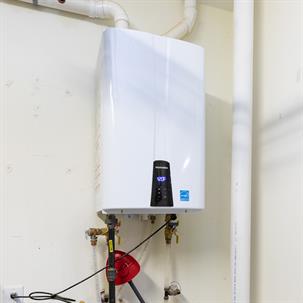
Upgrading to a tankless water heater offers Michigan homeowners greater energy efficiency, lower utility bills, and a longer-lasting supply of hot water. However, preparing for tankless water heater installation requires more than just picking out a unit—it involves a careful look at your home’s needs, Michigan’s unique climate, and your existing plumbing and electrical systems. At Beauchamp Water Treatment Solutions, we’ve spent decades guiding families through every step, ensuring comfort and water quality throughout every season. Let’s break down the most important steps and questions to cover before, during, and after a tankless water heater installation in Michigan.
What Should Michigan Homeowners Know Before Choosing a Tankless Water Heater?
Before you decide to install a tankless water heater, take time to evaluate your household’s water needs and your property’s requirements. Michigan’s homes range from new builds to historic houses, so it’s crucial to match the system to your hot water usage. Consider how many people live in your home, how frequently you use appliances like dishwashers or washing machines, and whether multiple showers may run at the same time. These factors help determine the size and type of tankless unit best suited for your family.
It’s also important to review fuel options. In Michigan, homeowners commonly use natural gas, propane, or electricity. Gas units typically offer higher flow rates but require additional venting and fuel line considerations. Electric models, while flexible and easier to place, may need upgraded electrical panels due to increased power demands. Assessing your property’s existing infrastructure helps avoid surprises on installation day and ensures you make an informed decision that fits local utility resources.
Lastly, don’t overlook your water quality. Michigan’s well water and municipal supplies can result in hard water, impacting a tankless heater’s efficiency and durability. If your home experiences mineral buildup or water stains, a consultation about compatible filters or water softeners is wise. With a trained team that understands Michigan water challenges, you’ll receive guidance on integrated solutions for optimal system longevity.
How Do Michigan’s Climate & Water Quality Impact Tankless Water Heater Installation?
Michigan’s winters introduce specific challenges for tankless water heater installations. Freezing temperatures put exterior-placed systems and exposed plumbing at risk. To protect your investment, install the tankless heater in an area shielded from the cold—such as a basement, insulated utility room, or heated garage. When installations require placement near exterior walls, additional insulation and pipe wraps serve as essential safeguards.
Water hardness is another prevalent concern. Mineral-rich well water found in many areas of Michigan quickly forms scale on heat exchangers—reducing efficiency and risking expensive repairs. Collaborate with an installation team that offers water testing and can recommend solutions like water softeners or pre-filters. Addressing hard water proactively not only preserves the new heater but also benefits all your appliances and plumbing.
Lastly, Michigan’s fluctuating groundwater temperatures throughout the year directly impact a tankless heater’s performance. Colder incoming water during winter requires a heater with greater output and efficient heat transfer. The right team will account for local groundwater temperatures when recommending and sizing your tankless unit, giving you reliable hot water all year long.
Where Are the Best Installation Locations for Tankless Water Heaters in Michigan Homes?
Selecting an optimal installation spot is critical for performance and long-term system health. In Michigan, many homeowners choose utility rooms, basements, or heated garages because they offer insulation against severe cold and easy access to plumbing connections. These spaces help minimize heat loss and simplify maintenance access.
If wall-mounting the unit, ensure there’s enough clearance for ventilation, service, and possible future repairs. Locating the tankless heater close to your kitchen, bathrooms, or laundry can help reduce wait times for hot water and limit the “cold water sandwich” effect sometimes experienced between uses. Older homes may require adjustments to bring utility lines closer together or to route water efficiently from the new system.
For homes requiring exterior installation, Michigan’s climate demands added protection. Position units away from prevailing winds and at elevations above anticipated snowdrifts. Use weatherproof enclosures and insulate all exposed water lines. A thorough site assessment by a knowledgeable local provider identifies these risks and helps ensure your tankless heater remains effective through every season.
Which Permits & Local Codes Do Michigan Tankless Water Heater Installs Require?
Installing a tankless water heater in Michigan means following a range of local and state regulations. Most municipalities require plumbing, electrical, and (for gas units) fuel gas permits before work starts. Permit requirements and fees vary by city or township, so confirm specifics with your local building department or rely on an installer familiar with local processes.
Michigan’s codes are based on the Michigan Residential Code, referencing national plumbing and fuel gas standards. These codes set rules for venting distances, combustion air calculations, and safety clearances. Licensed contractors handle permit applications and coordinate inspections, ensuring your installation meets all safety standards. Homeowners who attempt DIY installation without permits risk fines, unsafe operation, or difficulty selling their home later.
When upgrades require additional electrical work or gas rerouting, separate permits and inspections may apply. Professional installers streamline paperwork and inspection scheduling, making it easier for you to secure rebates from Michigan utilities or qualify for manufacturer warranties. Detailed attention to codes and permits protects your investment and ensures safe, lasting comfort.
How Should Homeowners Prepare Plumbing, Gas & Electrical Systems for Installation?
Preparing your home’s systems ahead of the installation streamlines the project and prevents delays. For plumbing, inspect shut-off valves near the water heater location, making sure they operate smoothly and do not leak. Older plumbing may need upgraded lines or fittings to handle the increased flow rates of a tankless model.
For gas-powered tankless heaters, gas line sizing often changes compared to traditional units. Tankless systems usually require higher BTU ratings, so check if your existing gas lines meet manufacturer specifications. If not, your installer may need to upgrade lines or install new connections, which could impact scheduling or permit requirements.
Electric tankless units bring their own considerations. Many require double-pole circuit breakers and substantial amperage, often beyond what older homes can safely deliver. A qualified technician reviews your panel capacity in advance, outlines necessary upgrades, and provides a timeline for any electrical changes. Early preparation reduces surprises and keeps your installation on track.
How Are Venting & Condensation Managed During Tankless Installation in Michigan?
Proper venting is essential for safe tankless operation, particularly in Michigan’s cold and often snowy climate. Gas-fired tankless heaters must exhaust combustion gases outdoors through approved vent pipes. Vent runs need to avoid sharp bends and stay clear of snowdrifts or landscaping that could block airflow. Secure, insulated vent systems reduce condensation and help keep exhaust safe from wind-driven snow and ice.
High-efficiency condensing tankless water heaters generate moisture as a byproduct, requiring careful management of condensate. In Michigan, improper drainage leads to freeze risk and water damage. To prevent this, vents and drain lines usually include internal heating cables or direct drains into basement sump pumps. This design prevents icy backups or water from seeping into the home’s foundation during deep freezes.
During site planning, your installation team evaluates vent locations above snow lines, uses materials specified for cold climates, and includes service access points for routine cleaning. These steps help maintain safe air quality, keep heating efficient, and ensure long-term system performance despite Michigan’s weather extremes.
What Should Homeowners Do the Day Before Tankless Water Heater Installation?
Getting ready for installation day reduces stress and helps the job proceed without setbacks. The day before your scheduled service, move any personal items or furniture that could block access to the installation area. If the water heater site is in a shared utility room or basement, clear a pathway from the exterior door to the worksite, and remove valuables from nearby shelves.
Protect your floors and belongings by laying down tarps or old towels in the traffic path where installers will bring equipment and tools. Homes with finished basements or delicate flooring should add extra protection in these high-traffic zones. Make arrangements for pets or children to stay away from work areas, as heavy equipment and unfamiliar faces can pose safety hazards or cause stress.
Contact your installer ahead of time to confirm when water, gas, or power will need to be temporarily turned off. Plan alternative activities that require hot water accordingly, and reschedule important tasks or appointments around the installation window. These thoughtful preparations make the transition to your new tankless water heater smooth and worry-free.
What Are Realistic Cost & Timeline Expectations for Tankless Water Heater Projects in Michigan?
Knowing what to expect regarding project costs and completion time helps Michigan homeowners plan with confidence. A typical tankless water heater installation in Michigan ranges from $2,000 to $5,000, depending on unit size, home layout, fuel type, and any system upgrades necessary for plumbing, venting, or electrical work. Upfront costs are often higher than for standard tanks, but energy savings and longer system life offer long-term value.
Local rebates are available through Michigan utility providers for installing energy-efficient tankless systems. Rebates may range from $150 to $400 depending on provider and model. Your installation team can help with rebate paperwork and proper documentation. Many rebates require proof of code-compliant installation and inspection completion, so working with professionals familiar with local standards ensures eligibility and maximum savings.
Most installations finish in one to two days. Simple replacements in newer homes may be completed in a single visit, while projects requiring major electrical or gas upgrades might span several days. Factor in additional time for permit approvals and post-installation inspections. Planning for each stage helps set realistic expectations and avoid unnecessary stress during your home improvement project.
How Can Michigan Homeowners Prepare for Long-Term Tankless Water Heater Maintenance?
Protecting your investment means maintaining your tankless system for peak performance and longevity, especially with Michigan’s fluctuating water quality. Schedule annual descaling appointments to remove mineral buildup, using vinegar or an approved descaling solution. This simple maintenance keeps the heat exchanger working efficiently and extends the lifespan of your tankless heater.
If your home experiences hard water, continue with a water softener or filtration system. These add-ons not only guard against scale inside the heater but also protect plumbing fixtures and appliances throughout your home. For tankless heaters exposed to cold, insulate pipes and periodically check for drafts around venting. Winterizing tips such as using heat tape, pipe wraps, or additional insulation can prevent freeze damage when temperatures drop.
Keep track of maintenance dates and requirements recommended by both the manufacturer and your installation provider. Many warranties require documentation of annual service, and some local providers offer service agreements or annual reminders, making ongoing care simple. Staying proactive means fewer breakdowns, lower utility costs, and years of consistent hot water for your Michigan home.
Which Questions Should You Ask a Tankless Water Heater Installer in Michigan?
Choosing a knowledgeable installation team is critical for success in Michigan’s climate. Start by asking how many tankless installs they’ve completed in your municipality or region and what steps they take to adjust for Michigan’s harsh winters and hard water conditions. Find out whether your installer provides ongoing maintenance or support after installation, and how they handle unexpected obstacles like code changes or hidden plumbing challenges.
Request information on warranty processes, including whether your team will help with paperwork and how they assist with future repairs. Check if they coordinate permitting and inspections directly, as these steps affect timelines and rebate eligibility. Ask for references from other local customers to verify their track record for reliability, communication, and service quality.
Don’t hesitate to bring up your own property’s layout, water quality concerns, or renovation plans. The most supportive installation teams offer candid feedback and adapt plans as needed to ensure compliance, comfort, and lasting value. Open dialogue builds trust and confidence at every step of your tankless water heater project.
How Can Michigan Homeowners Ensure Reliable Hot Water All Winter?
Ensuring uninterrupted access to hot water during Michigan winters means focusing on both the heater itself and the supporting systems. Start by insulating all water lines running to and from your tankless heater, particularly those in basements, crawlspaces, or exterior walls. For exterior or garage-based units, additional weatherproofing and heated pipe wraps offer vital protection from deep freezes.
Maintain regular checks after heavy snowfall to clear vent terminations and prevent blockages from ice or snowdrifts. Consider adding backup power solutions, such as a portable generator or battery backup, so your system continues supplying hot water during outages. Built-in freeze protection, available on some tankless models, further reduces risk during Michigan’s coldest periods.
For peace of mind, set calendar reminders for routine filter changes and annual service visits. For extended absences, consult your installer about remote monitoring options or additional winterization steps. With the right preparation, maintenance, and local support from Beauchamp Water Treatment Solutions, your Michigan home stays comfortable no matter how cold it gets. If you’re ready to explore tankless water heater options or need advice on preparing for installation, reach out to our team at (810) 476-2907. We’re dedicated to helping families across Michigan enjoy safe, efficient hot water year-round.