
Replacing a water heater in Michigan rarely hits the budget at a convenient time, and the moment you start pricing new units, you probably start wondering if those Michigan water heater rebates can actually take the sting out of the bill. You might see rebate headlines on utility mailers or home improvement ads, but it is not clear what applies to your house, your fuel type, or your timeline. In the middle of a cold stretch, guessing wrong is not an option.
That mix of urgency and confusion is exactly where many homeowners find themselves. Maybe your current tank is near the end of its life and you are trying to plan ahead, or maybe it has already leaked or failed and you need hot water restored quickly. Either way, you want straightforward answers about what rebates are real in Michigan, how much impact they can have on the final cost, and whether they should change the type of water heater you choose.
At Beauchamp Water Treatment Solutions, we have been working with Michigan homeowners on water heaters and home water systems since 1976, and we have watched rebate programs change across different utilities and communities. Over those decades, we have helped many customers factor local incentives into their decisions, match equipment to the programs that fit, and avoid common mistakes that can cost them money. In this guide, we will walk through how Michigan water heater rebates actually work and how to use them to make a smarter installation plan.
Why Michigan Homeowners Hear So Much About Water Heater Rebates
Water heating uses a significant amount of energy in a typical Michigan home. Between long showers, laundry, and dishwashers, your water heater quietly runs day after day, especially through long winters when incoming water is cold and your system has to work harder. Utilities and energy agencies know that when a homeowner upgrades to a more efficient unit, that upgrade can cut energy usage every single day for years, not just when a light is on.
Because of that, utilities and governments see water heaters as a high-impact place to invest in incentives. When you hear the phrase Michigan water heater rebates, it usually refers to a mix of programs that use financial incentives to nudge people toward equipment that uses less gas or electricity. Instead of raising rates across the board to fund new power plants or infrastructure, it can be more cost effective for utilities to pay homeowners to use less energy in the first place.
One thing we see often is the assumption that there is a single statewide program that everyone taps into automatically. In reality, there is a patchwork of options. Some are tied to specific utilities, some to broader efficiency initiatives, and some are federal tax benefits that Michigan homeowners can claim. At Beauchamp Water Treatment Solutions, we have watched these layers evolve for more than four decades, so our goal is to help you see the landscape clearly instead of chasing every headline you see online.
Who Actually Offers Michigan Water Heater Rebates
A key step in making sense of Michigan water heater rebates is knowing who actually pays them. Most incentives do not come from the installer, and there is no single state office mailing checks to every homeowner who upgrades. The source of the rebate often determines how you apply, how quickly you receive funds, and what equipment qualifies.
For many Michigan homes, the primary source is the local electric or natural gas utility. These utilities often run energy efficiency programs that offer rebates or bill credits when customers install qualifying high-efficiency water heaters. The details vary by utility territory, so your friend in a neighboring town may have different offers than you do, even if you live in the same county. This is one reason generic national articles often feel out of sync with what you see on your utility bill.
On top of utility programs, you may see incentives connected to broader initiatives. These can include state-supported efficiency campaigns and federal tax credits that apply to certain high-efficiency or heat pump water heaters installed in primary residences. Tax credits work differently from utility rebates. Instead of a check or bill credit, they reduce what you owe when you file your federal taxes, which means the financial benefit arrives later in the process.
We regularly help customers sort through these layers. Our team checks current utility and program guidelines when we talk about rebate possibilities, because we know line items can change from one funding cycle to the next. You do not need to memorize every program. You simply need to understand that Michigan water heater rebates usually flow from your utility or from tax credits, not from the installer, and that verifying current rules before you buy is crucial.
Which Water Heaters Typically Qualify For Michigan Rebates
Not every water heater on the shelf will qualify for incentives. Most Michigan water heater rebates are structured to reward equipment that goes beyond the basic minimum efficiency standards. Understanding which types of water heaters tend to qualify can help you focus your research and avoid falling in love with a model that does not unlock any benefits.
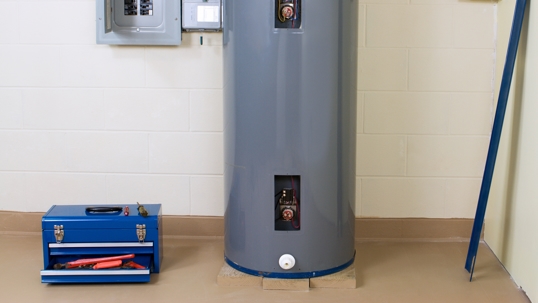
Broadly, you will see four common categories in Michigan homes. Standard tank water heaters heat and store a tank of water, and they meet basic federal efficiency requirements. High-efficiency tank models look similar, but they are built to use fuel more effectively, often through better insulation and advanced burner or heat exchanger designs. Tankless units heat water on demand instead of storing it, and heat pump water heaters pull heat from the surrounding air and move it into the water. In many programs, the last three categories are more likely to qualify for more attractive incentives.
Programs often refer to efficiency ratings called Energy Factor (EF) or Uniform Energy Factor (UEF). These numbers tell you how efficiently a water heater converts energy into hot water over a standard test. Higher numbers usually mean less wasted energy for the same amount of hot water. Rebate programs typically set a minimum EF or UEF that models must meet to qualify. A basic replacement tank might sit just above the federal minimums, while a high-efficiency or heat pump unit might clear the higher thresholds programs want to reward.
Michigan’s climate also matters. Tankless and heat pump water heaters can be excellent options, but they need to be sized and installed correctly. For example, a heat pump unit draws heat from the surrounding air, so placement, room size, and seasonal temperatures come into play. Our factory-trained technicians work with standard, high-efficiency, tankless, and heat pump models every week, so we know how they perform in real Michigan basements, utility rooms, and mechanical spaces, not just on paper. When we discuss rebates with you, we match the equipment type to both the program requirements and the realities of your home.
How To Find Current Michigan Water Heater Rebates Before You Buy
The biggest mistake we see is waiting until after installation to start asking about rebates. By that point, the model is chosen, the work is done, and any missed opportunity is hard to fix. A short amount of research before you buy can make a big difference, and you do not have to spend hours digging to get useful answers.
A practical first step is to visit your electric and natural gas utility websites. Most utilities host a dedicated section for energy efficiency programs or rebates. Search for water heaters or residential water heating, and look for clear descriptions of eligible equipment types, efficiency thresholds, and application steps. Many utilities provide downloadable lists of qualifying models or at least spell out the rating levels they require.
Next, look beyond your utility. Federal energy and tax resources often publish information about tax credits for qualifying high-efficiency or heat pump water heaters in primary residences. These credits have their own eligibility rules, including caps, installation dates, and documentation requirements. While we cannot give tax advice, we can point you toward the kind of information to look for and remind you to discuss potential credits with a tax professional if they appear to apply.
Before you start calling installers, it helps to have a few details at hand. Know your current fuel type, the age and size of your existing water heater, your household size, and any comfort issues you have noticed, such as running out of hot water or inconsistent temperatures. When customers call us at Beauchamp Water Treatment Solutions, we walk through these basics alongside current utility and program information, so any quote we provide already reflects the incentives that seem to match your home and utility service.
What Rebates Usually Require From Your Water Heater Installation
Rebate programs for water heaters can provide meaningful savings, but they usually come with specific requirements that go beyond simply choosing a qualifying model. Even when a unit meets efficiency standards, how it is installed and how the application is handled can determine whether you actually receive the rebate. Understanding these common requirements ahead of time helps you avoid delays, denials, and unnecessary frustration.
Typical rebate requirements for water heater installations often include:
- Professional installation by a licensed contractor, ensuring proper venting, electrical or gas connections, and safe clearances
- Meeting minimum efficiency ratings, with eligibility tied to specific ENERGY STAR® or program-defined thresholds
- Replacement of an existing water heater, as many programs exclude new construction or first-time installations
- Submission of a detailed, itemized invoice, listing the model number, size, fuel type, and installation date
- Clear identification of the installing company, including business name and contact information
- Additional documentation when requested, such as serial numbers, permit or inspection references, or proof of purchase
- Utility account information, used to confirm eligibility within the correct service territory
- Compliance with timing rules, including pre-approval for certain technologies or submission within a set number of days after installation
- Patience with processing timelines, as rebates may take several weeks or longer to be issued as a check or bill credit
At Beauchamp Water Treatment Solutions, we are familiar with the details rebate programs typically require and prepare our customers for them in advance. We provide thorough invoices, confirm model information, and explain basic timelines so you know what to expect. That guidance reduces the risk of missed rebates and helps ensure your water heater installation delivers both reliable hot water and the savings you planned for.
Using Rebates To Decide Between Standard & High-Efficiency Water Heaters
Once you understand the programs that apply to your home, the next question is how to use that knowledge to choose a water heater. This is where Michigan water heater rebates move from theory into a real dollar decision. The choice is rarely as simple as picking the model with the biggest rebate. Instead, you want to consider upfront cost, incentive amount, and expected operating cost over time.
Imagine, for example, that you are choosing between a standard replacement tank and a high-efficiency model. The high-efficiency unit might cost more upfront, but it may also qualify for a utility rebate and possibly a tax credit, depending on current rules. When you subtract those incentives from the price difference, the gap might shrink considerably. On top of that, the high-efficiency unit typically uses less gas or electricity each month, which adds savings over the life of the equipment.
This is where simple payback comes into play. If the net extra cost of the higher-efficiency water heater after rebates is modest, and the estimated annual energy savings are meaningful, you can often see that extra cost recouped over a few years. In a Michigan home, where water heating demand is high for much of the year, those savings can add up. Conversely, if the rebate is small or you have unusual usage patterns, sticking with a standard model can sometimes make more sense.
At Beauchamp Water Treatment Solutions, we take a customer-centered approach to these tradeoffs. Rather than pushing every homeowner toward the latest technology, we walk through actual numbers for your situation, including purchase price, potential incentives, and estimated operating costs. We also factor in comfort goals, space constraints, and future plans for the home. That way, rebates become part of a clear comparison, not the only reason you pick one water heater over another.
How Beauchamp Water Treatment Solutions Helps Michigan Homeowners Navigate Rebates
Sorting through programs, model numbers, and application forms can feel like a second job, especially when your main concern is getting hot water back quickly. Our role is to simplify that process while still giving you control over the decisions. We do that by combining our technical knowledge of water heaters with decades of experience working inside Michigan’s mix of utility territories and housing styles.
Every installation we handle starts with an assessment of your home’s water use, existing equipment, and water quality. Because we also install and maintain water softeners, well water treatment systems, drinking water systems, reverse osmosis systems, and UV lights, we see how the water heater fits into the overall picture. During that assessment, we discuss which types of water heaters are likely to qualify for current Michigan water heater rebates and how those incentives might affect the total project cost.
Our factory-trained technicians are equipped with state-of-the-art tools and follow installation practices that rebate programs expect, from correct venting and combustion air to proper electrical and plumbing connections. That attention to detail does more than protect your home. It also means the documentation we provide reflects exactly what programs need to see, including model information, capacity, and efficiency ratings. When a program asks for an itemized invoice or proof of installation, you have it ready.
We understand that water heater failures do not wait for business hours, so our accessibility matters. With 24/7 availability, zero down financing, rental options, and emergency service, we can help you balance the urgency of restoring hot water with the timing of rebates and budget planning. Our insured services, lifetime warranties, and transparent practices give you added confidence that you are not just looking for a rebate but investing in a long-term solution backed by a team committed to Michigan homes and communities.
Questions To Ask Before Scheduling Your Water Heater Installation
Scheduling a new water heater installation is an important decision, and asking the right questions ahead of time can help you avoid surprises while maximizing available incentives. In Michigan, utility rebates and efficiency programs can add real value, but only if requirements are understood before work begins. A simple set of questions can clarify costs, paperwork, and long-term savings so you can move forward with confidence.
Helpful questions to ask before scheduling your water heater installation include:
- What rebates or incentives are currently available, and which specific water heater models qualify in your utility service area?
- Whether pre-approval is required, and if any applications must be submitted before installation begins?
- Who will assist with rebate eligibility confirmation, and whether the installer provides guidance through the process?
- What documentation you will receive, including invoices listing model numbers, efficiency ratings, and installation dates?
- Whether additional forms or signatures are needed, which are commonly required by Michigan utility programs?
- A clear breakdown of upfront installation costs, including equipment, labor, and any additional materials?
- Estimated rebate or tax credit amounts, shown separately so expectations are clear?
- A comparison of operating costs, outlining estimated annual energy use for standard versus high-efficiency models?
- Post-installation support, in case questions arise while submitting rebate paperwork or if program rules change?
At Beauchamp Water Treatment Solutions, we encourage these discussions from the start. Our team regularly helps customers navigate Michigan’s rebate landscape, explain documentation requirements, and compare efficiency options in practical terms. By addressing these questions early, you can move into your water heater installation knowing what incentives apply, what paperwork to expect, and how your new system supports your long-term comfort and budget goals.
Plan Your Michigan Water Heater Rebate Strategy With Local Pros
Michigan water heater rebates are not magic, but they are meaningful. When you understand who offers them, which equipment qualifies, and what they require from your installation, you can turn a stressful replacement into a smarter upgrade that pays you back over time. A bit of planning before you buy often makes the difference between leaving money on the table and capturing the incentives that fit your home.
If you are ready to replace a failing water heater or want to explore high-efficiency options for your Michigan home, we can help you map out a clear path. Our team at Beauchamp Water Treatment Solutions will review your current setup, walk through potential rebates and incentives, and recommend water heater solutions that match both your household and your utility programs. To talk through your options or schedule a visit, call us today.