
On the coldest Michigan mornings, you usually discover water heater trouble the hard way, standing in a shower that never gets warm. The house is quiet, the furnace is running, and that first blast of icy water tells you something is very wrong. In winter, losing hot water is more than an inconvenience, it can disrupt your family’s routine and even create safety concerns for young kids or older adults.
Most homeowners do not think much about their water heater until something goes wrong. As long as hot water comes out when you turn the tap, it is easy to assume the heater will keep up all winter. In Michigan, that assumption can be expensive. Long, harsh cold snaps push older and poorly maintained systems past their limits, and what felt “good enough” in October may not make it through January.
At Beauchamp Water Treatment Solutions, we have been working in Michigan homes since 1976, and each winter we see the same patterns repeat. Basements that get colder than expected, heaters choked with sediment, and well systems feeding hard water into tanks that are already near the end of their life. In this guide, we share what we have learned over four decades in this climate so you can prepare your water heater for winter, reduce the risk of mid-season breakdowns, and know when it is time to bring in our factory-trained technicians.
Why Michigan Winters Are Tough On Your Water Heater
Michigan winters place unique demands on water heaters, especially compared to milder regions. Long stretches of freezing temperatures, combined with where many units are installed, create conditions that steadily drain heat from tanks and piping. Understanding why winter is so hard on these systems helps explain why problems often surface during the coldest months of the year.
Several winter-related factors work together to stress water heaters in Michigan homes:
- Cold installation spaces, such as basements, crawlspaces, garages, and utility rooms near exterior walls, where temperatures drop well below the rest of the home
- Increased heat loss from the tank and pipes, as hot water continually gives off heat to colder surrounding air
- More frequent heating cycles, forcing burners or electric elements to turn on more often just to maintain the set water temperature
- Accelerated wear on internal components, including thermostats, valves, heating elements, and burners, especially in older or poorly maintained units
- Extended cold spells, where days or weeks of low temperatures prevent recovery time and expose existing weaknesses
- Higher household demand in winter, with holiday guests, more laundry, and heavier hot water use pushing systems closer to their limits
- Hard water and mineral-heavy well water, which leave sediment inside the tank and insulate heating surfaces
- Reduced efficiency due to sediment buildup, making it harder for the heater to recover when cold conditions already increase the workload
At Beauchamp Water Treatment Solutions, we often see mid-winter water heater issues traced back to this combination of cold surroundings and mineral buildup. A unit that performed acceptably in fall can struggle once winter sets in, revealing inefficiencies or failing parts. Knowing how Michigan winters affect your water heater makes it easier to plan maintenance, recognize early warning signs, and avoid being caught without hot water when temperatures are at their lowest.
Check Your Water Heater’s Age and Winter Readiness
Before the weather gets severe, it helps to know what kind of shape your water heater is in. The first question we usually ask is, “How old is the unit?” Most tank-style water heaters have a practical service range, although some last longer and some shorter depending on water quality and maintenance. Many units we replace in Michigan homes are roughly in the 8 to 15 year range, often with little or no flushing during that time.
You can often find the age of your heater by checking the manufacturer’s label or serial number on the side of the tank. The exact format varies by brand, but there is usually a way to decode the manufacture date from that number, and many brands publish this on their websites. If the sticker is missing or unclear, a technician can often identify the age based on the model and general design. Once you have an approximate age, you can start to judge whether your heater is “middle-aged” or near retirement.
Age alone does not decide readiness. Pay attention to how the heater behaves. If you notice longer waits for hot water, showers running cooler toward the end, or the heater firing more often than it used to, those are signals the system is working harder. Popping or rumbling noises from a gas unit often point to significant sediment that is trapping heat at the bottom of the tank. Discolored or rusty water from hot taps can hint at corrosion inside the tank, especially if you only see it on the hot side.
Moisture around the base of the heater, no matter how small, deserves serious attention in winter. A slight drip from fittings or the tank itself can suddenly worsen with temperature swings and pressure changes. We frequently get emergency calls during Michigan cold snaps from homeowners whose heaters are 10 to 15 years old, making noises, and showing small leaks that were easy to ignore in warmer months. A pre-winter inspection from our team can often spot these warning signs early and give you options before you are left without hot water on a freezing morning.
Tackle Sediment and Hard Water Before The Deep Freeze
In Michigan, hard water and well water are major contributors to water heater problems, especially when winter arrives. Hard water carries dissolved minerals like calcium and magnesium. When that water is heated repeatedly inside a tank, those minerals separate and settle out, forming a gritty layer of sediment on the bottom. If you are on a private well, you may also have iron and other minerals that add to this buildup and can stain fixtures.
Over time, this sediment layer acts like a blanket between the heat source and the water you actually want to warm. On a gas heater, the burner flames are under the tank; on an electric model, elements extend into the water. In both cases, heavy sediment forces the heater to work longer to transfer the same amount of heat. That extra work usually shows up as longer recovery times, higher energy use, and the popping or crackling sounds many people notice when a heavily loaded tank fires up.
Some homeowners are comfortable doing a basic, partial flush before winter. This might involve turning off power or gas, attaching a hose to the drain valve at the bottom of the tank, and draining a few gallons to clear loose debris. If you go this route, it is crucial to follow safety steps, let the water cool enough to handle, and avoid forcing valves that are stuck. Very old or neglected tanks can have fragile valves or fittings, and a forced DIY flush can cause more harm than good if parts fail.
Our technicians typically go further during a professional maintenance visit. We can perform a more thorough flush, check the anode rod that helps protect the tank from corrosion, and evaluate how much usable life is left based on what we see inside. Because Beauchamp Water Treatment Solutions also works with water softeners, well treatment systems, and reverse osmosis systems, we can look at how your incoming water quality is affecting your heater and recommend long-term solutions to slow sediment buildup. Many Michigan homeowners notice quieter operation and more consistent hot water after this type of service, especially if their heater has rarely or never been flushed before.
Insulate Smart: Tank, Pipes, and The Room Around Your Heater
Insulation is one of the most straightforward ways to help a water heater perform better in winter, but it needs to be done thoughtfully. The goal is to reduce the amount of heat that escapes from hot water into the colder air around it. Hot water pipes that run through unheated or lightly heated areas, like crawlspaces or along exterior basement walls, lose a surprising amount of heat before the water ever reaches a faucet or shower.
Adding pipe insulation sleeves to exposed hot water lines, especially the first several feet leaving the heater, can make a noticeable difference on cold mornings. It helps the water stay hot as it travels, so you wait less and waste less running cold water down the drain. In older homes, where pipes are often fully exposed in basements or utility areas, this is a simple project that gives good return for the effort, particularly in January and February.
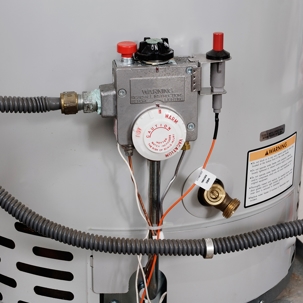
Tank insulation is a more delicate topic. Many modern heaters come with built-in insulation that is fairly effective. Older tanks sometimes benefit from an insulating jacket, but safety is critical. You never want to cover gas burner access panels, temperature controls, warning labels, or any venting on a gas unit. On electric units, controls and wiring should remain accessible and able to dissipate heat as designed. We often see well-intentioned DIY insulation projects where key areas are covered, which can create hazards instead of savings.
The space around your heater matters as well. Cold air can flow through gaps around doors, windows, or sill plates, making a utility area much colder than the rest of the basement. Sealing obvious drafts and keeping exterior doors closed as much as possible helps keep that space closer to room temperature. When our technicians visit Michigan homes, we look at the whole environment, not just the tank. With state-of-the-art tools and years in the field, we can tell you whether more insulation is appropriate for your specific heater and location, or whether other changes will give you better winter performance.
Dial In Safe Winter Settings and Safety Devices
As temperatures drop, many homeowners simply turn up the water heater thermostat in search of hotter showers. That can help a little in some cases, but it is not a cure-all, and too high a setting creates scald risks, especially for children and older adults. Most residential heaters have a general range where they deliver comfortable hot water without being dangerously hot at the tap, and where bacteria growth inside the tank is less of a concern compared to very low settings.
In winter, if you find yourself constantly running out of hot water or needing to raise the thermostat a lot, it often signals an underlying issue such as sediment, heat loss, or a unit that is undersized for current demand. Raising the temperature a small amount may help, but pushing it high to compensate for mechanical or sizing problems is not a good long-term plan. We often see Michigan heaters set at extreme temperatures to “fix” what is really a maintenance or capacity issue.
Your water heater also has critical safety components that deserve attention before and during winter. The temperature and pressure relief valve, often called the T&P valve, is designed to open if pressure or temperature inside the tank climbs to unsafe levels. If you notice water weeping or discharging from that valve or the pipe connected to it, that is a sign the system needs evaluation. The right response is not to cap or plug that line. Blocking it can remove an important safety outlet that protects both the heater and your home.
Many homes, particularly those with backflow preventers or pressure regulators on the incoming line, also use an expansion tank. This small tank gives expanding hot water a place to go as it heats and cools, which is especially helpful during periods of high winter demand. When an expansion tank fails or loses its internal air charge, pressure swings in the plumbing system become more pronounced. At Beauchamp Water Treatment Solutions, our factory-trained technicians routinely test T&P valves, check system pressures, and verify expansion tanks are doing their job during pre-winter visits. This helps reduce the risk of dangerous overpressure situations that tend to show up when everyone is using more hot water.
Know What You Can Do Yourself and What Needs a Pro
There are many ways homeowners can help their water heater handle a Michigan winter, but there is also a clear line where professional expertise becomes essential. Knowing which tasks are safe to do yourself and which ones should be handled by a licensed technician helps you protect your system, your home, and everyone in it, especially during the coldest months of the year.
Tasks most homeowners can safely handle on their own include:
- Keeping the area around the water heater clear of storage boxes, combustibles, and clutter, especially near gas burners, vents, and access panels
- Making sure there is adequate clearance for airflow and future service access
- Performing a basic visual inspection for moisture, rust, or corrosion around fittings, visible piping, and the base of the tank
- Listening to the heater during operation and noting whether it sounds normal or if there are new pops, bangs, rumbling, or unusually loud cycles
- Insulating accessible hot water pipes in unheated spaces using pre-slit foam sleeves sized to the pipe diameter
- Focusing pipe insulation on runs along exterior walls or through drafty areas while being careful not to disturb joints or supports
Situations that are best left to a trained professional include:
- Any work involving gas lines, burners, or combustion air adjustments
- Electrical wiring, breaker issues, or replacement of heating elements and thermostats
- Full tank flushing on very old or heavily sediment-filled water heaters
- Replacement or adjustment of safety devices such as pressure relief valves
- Diagnosing persistent noises, pilot issues, or repeated shutdowns
- Addressing visible corrosion, cracked components, or improperly supported piping
Trying to push beyond basic DIY tasks can create real safety hazards, including gas leaks, venting problems, or electrical risks. We have seen well-intentioned repairs make situations worse, especially in winter when systems are already under stress. Because Beauchamp Water Treatment Solutions offers 24/7 support, along with rental options and zero down financing when replacement is the smarter long-term move, you have safer options than attempting risky repairs just to get through one more Michigan winter.
Watch For Warning Signs As Temperatures Drop
As temperatures drop, small changes in your water heater’s performance can be early clues that winter stress is taking a toll. Paying attention to these shifts helps you respond before a minor issue turns into a no-hot-water emergency during the coldest part of the year.
Common warning signs to watch for as winter sets in include:
- Shorter hot water duration, such as showers running lukewarm sooner than usual or needing longer recovery time between uses
- Longer reheating times, which can point to sediment buildup, worn heating elements, or burners that are no longer operating efficiently
- New or louder noises, including popping, banging, or sizzling sounds that often indicate water bubbling through heavy sediment inside the tank
- Frequent breaker trips or erratic cycling on electric units, suggesting failing elements or thermostats under increased winter demand
- Changes in water color or smell, such as rusty, cloudy, or metallic-smelling hot water that can signal internal corrosion
- Pilot light problems, including pilots that will not stay lit or burners that struggle to ignite
- Abnormal flame appearance on gas units, especially yellow or flickering flames instead of a steady blue, which may indicate draft, venting, or combustion air issues
- Inconsistent performance during cold snaps, when snow, wind, or ice interfere with venting and sealed-up homes reduce airflow
When we speak with Michigan homeowners, we stress that these symptoms are your system’s way of signaling stress, not harmless quirks to brush off. Our customer-focused approach starts by listening carefully to what you are noticing, then evaluating the water heater, water quality, and household usage as a whole. Catching warning signs early usually means more choices, whether that is a straightforward repair, proactive maintenance, or planning a replacement on your schedule rather than dealing with a winter emergency.
Partner With a Michigan Water Team That Knows Your Winters
Preparing your water heater for a Michigan winter is not about one magic adjustment. It is about a set of small, smart moves that work together, checking the age and condition of your heater, cleaning out sediment that makes it work harder, reducing heat loss where you can, and making sure safety devices are ready for higher seasonal demand. When those steps are guided by people who work in this climate every day, you get a much clearer picture of how ready your system really is.
At Beauchamp Water Treatment Solutions, we have spent more than 40 years helping Michigan families enjoy safe, high-quality water through long winters. Our legacy leadership, factory-trained technicians, insured services, and lifetime warranties reflect a long-term commitment to the homes and communities we serve. Because we handle water heaters and full water treatment systems, we can look at the whole picture and recommend a plan that fits your house, your water, and your priorities.
If you are wondering whether your current heater can handle another season, or you are already noticing some of the warning signs we described, this is the time to act. We can schedule a pre-winter inspection, perform the maintenance your system needs, or help you plan a replacement with options like rentals and zero down financing when that is the smarter move. That way, when the next cold snap hits, you can turn on the tap and feel more confident your system is ready.
Contact us at (810) 476-2907 to talk with our team about getting your Michigan water heater ready for winter.